Global overview
Conclusions based on the aggregation of 62 items from the ClimateScanner methodology, applied across 107 countries
Governance
Public policies
Finance
Want to see the highlights for the world or a specific country?
Check out the Pillars we've selected
9 in every 10 countries don’t know how much they spend to tackle climate change
Without monitoring, governments cannot know if they are truly investing in solving the most critical climate issues, nor can they plan future spending effectively. Reducing fossil fuel subsidies is also crucial for addressing climate change because it reorients government spending away from polluting energy sources and toward clean alternatives. Governments should establish standards to identify and monitor government spending that supports or hinders efforts to achieve climate goals.
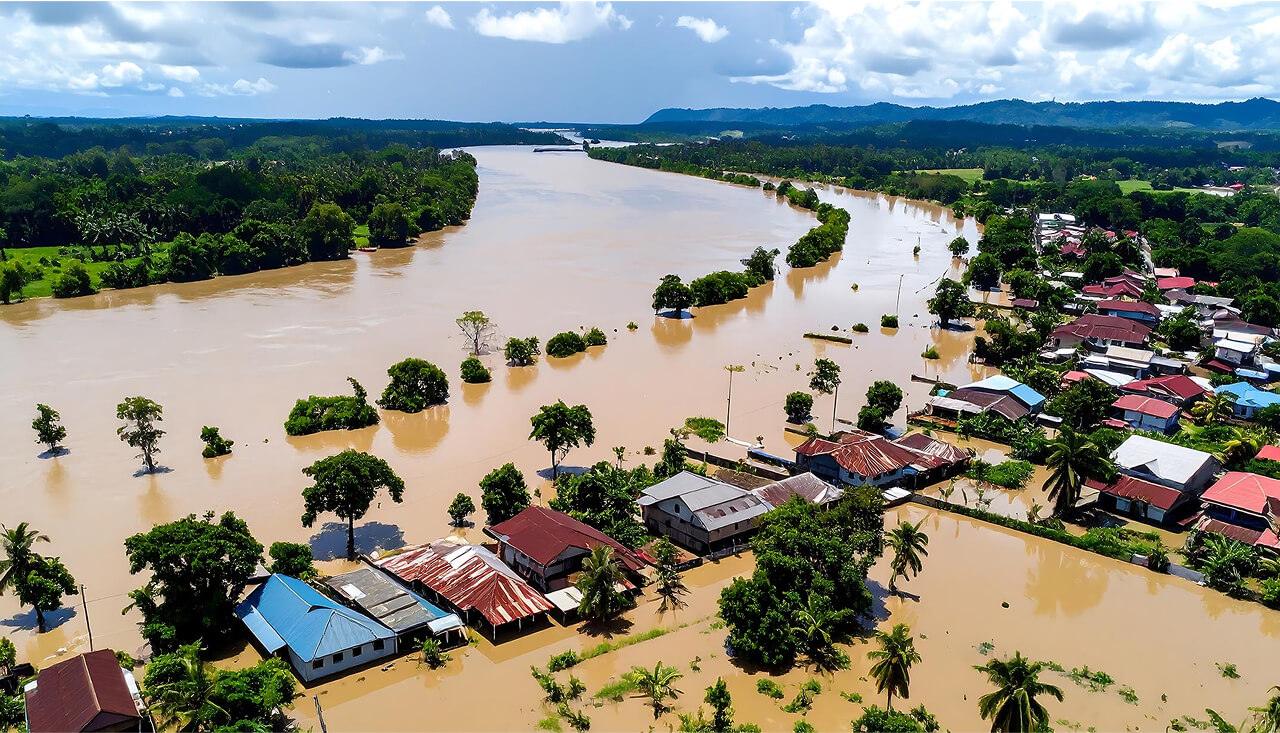
8 in every 10 countries overlook vulnerable groups in their climate plans
Climate change affects people unequally and may amplify vulnerabilities and inequalities. Governments have a responsibility to protect the most vulnerable. Governments need to identify the populations, activities, and regions that will be most affected; include them in the decision-making process; and integrate equity as a guiding principle in climate-related government actions.
7 in every 10 governments have insufficient medium and long-term plans to address the negative consequences of climate change
Ignoring climate risks can lead to more serious damages, losses, and expenses, resulting in severe impacts on the population, economy, and environment. If risks are not known and not considered in planning, governments are unprepared. Governments should conduct comprehensive and frequent assessments of climate risks. These risks should be considered when developing medium and long-term plans.
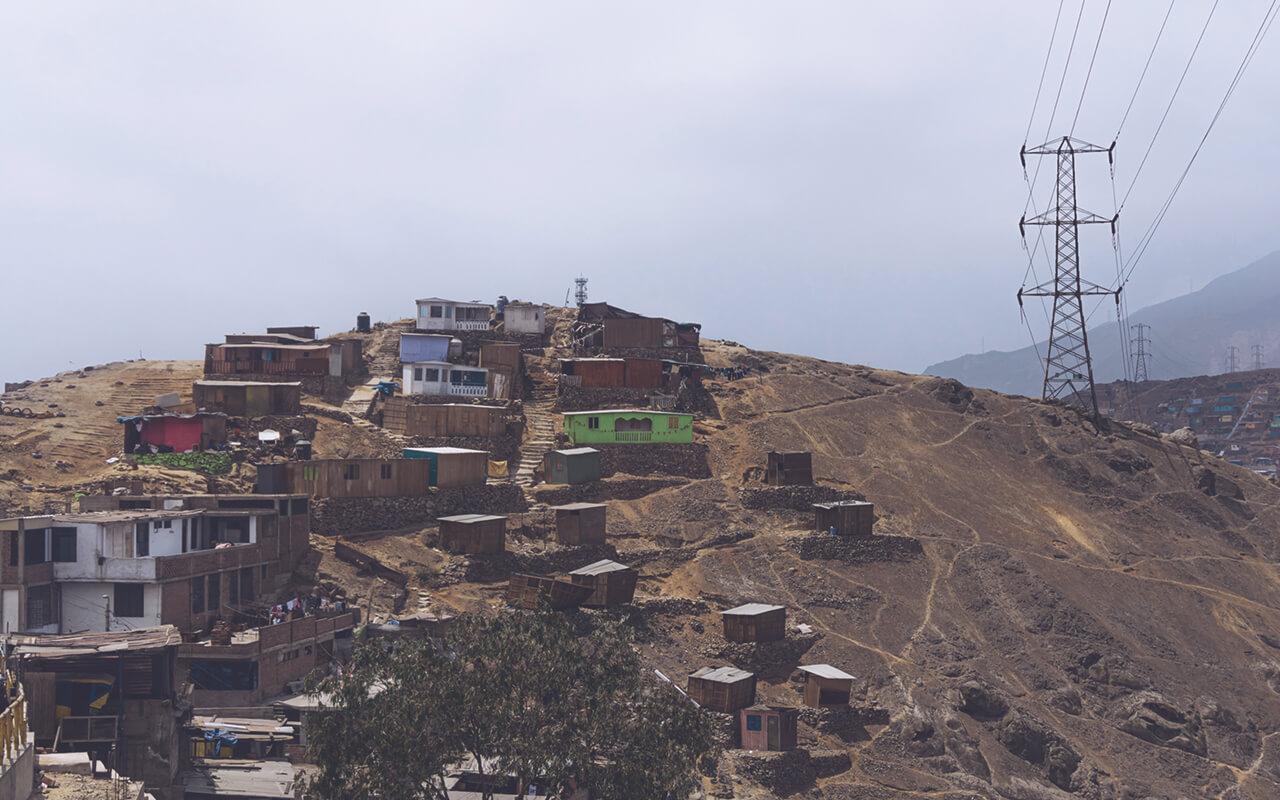
4 in every 10 countries lack a sufficient plan to adapt to the effects of a changing climate
The financial and human costs of climate change and extreme weather events are becoming more severe and frequent, making it important for governments to have a clear understanding of the risks and priorities for action. Governments should understand the risks to better prepare for a changing climate. Risks should be supported by clear actions with measurable indicators to monitor progress.
3 in every 4 developing countries face difficulties in estimating resources needed to address climate change
When countries are unable to comprehensively identify needs, it creates challenges or prevents access to support provided in international agreements that would finance actions, build capacities, and access technology. Governments need to map and publish the costs of mitigation and adaptation actions, to determine what external resources are required, and to consolidate all needs into a National Climate Finance Strategy.
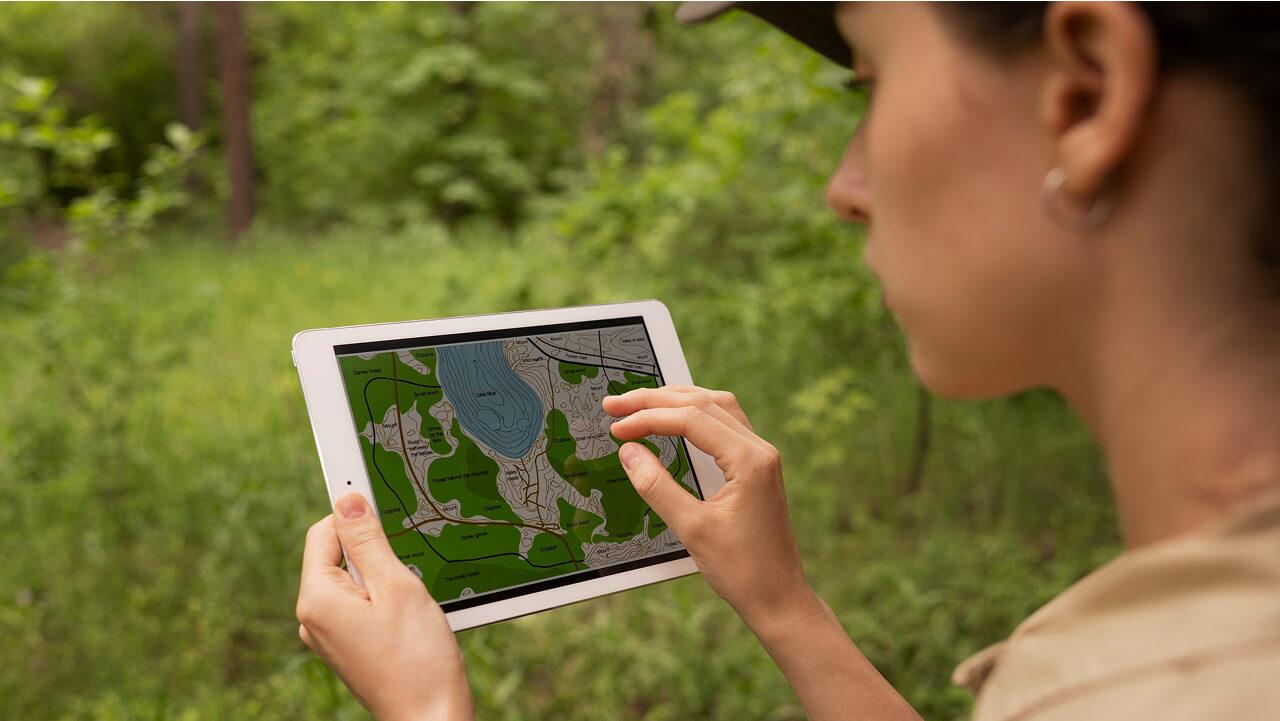
7 in every 10 countries do not have adequate mechanisms for monitoring progress towards climate goals
Monitoring is essential to understand if we are moving in the right direction and achieving our goals. A lack of oversight reduces transparency, making it harder for audit institutions and society to hold the government accountable. Governments should establish clear and transparent procedures for monitoring and updating climate instruments, use performance indicators, and implement digital systems that track emissions and adaptation efforts.
Half of the countries are unclear on how they plan to reduce emissions from gases that contribute to climate change
Why is this a problem: Countries need a clear plan to reduce emissions to ensure that global goals to limit temperature increase to 1.5°C will be met. Governments should make plans that are comprehensive, up to date, include key sectors, and be aligned with international climate commitments.
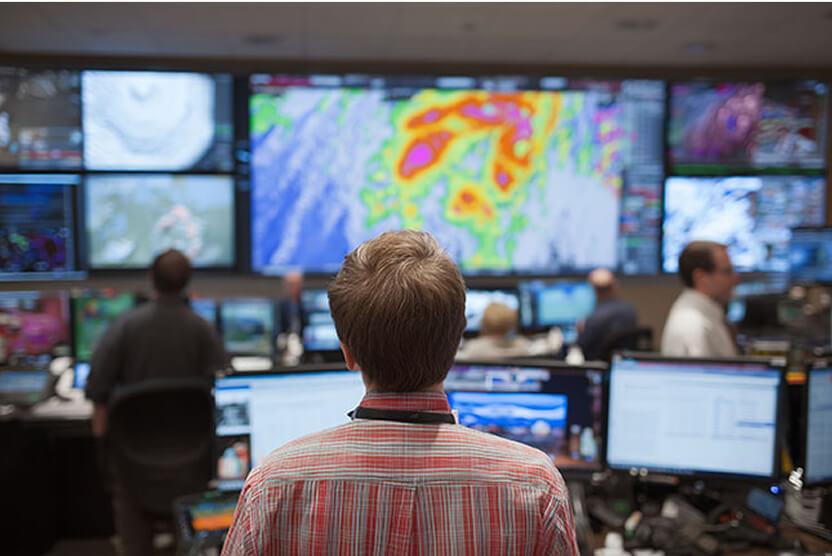
Developing countries have put in place initiatives to mobilize climate resources, but most still face barriers in actually accessing them
Developing countries have limited domestic resources and are highly vulnerable to climate impacts. Despite international commitments to provide support, most struggle to access climate finance due to complex application systems and low technical capacity. Governments should establish well-structured climate finance units with clear mandates and coordination, and should train local teams in project design and financial planning. Organizations providing financing support to developing countries should simplify access rules for climate funds, and create standardized templates.
Many countries encountered problems coordinating climate action within government and between different levels of government
Climate change must be addressed by all levels of government, from federal to municipal, through cooperation and shared responsibilities. It is essential to integrate climate policies across various sectors, such as transportation, health, and urban planning, aligning national and international goals while using resources efficiently. Governments should establish mechanisms for coordination and decision-making processes with clear and well-documented understanding of expectations and responsibilities.

Most countries do not adequately use the information they collect to improve climate policy
A system that collects early results and progress is important to allow for enough time to correct course and avoid missing targets. However, many systems are used irregularly or only for external reporting. Capacity should be improved for assessing monitoring data to develop clear policy recommendations. Governments should create a single, coordinated process to consolidate findings and communicate recommendations to policy designers and decision-makers.
Coordination



Support