Painel ClimaBrasil
Conclusions based on Brazil’s local overview, aggregating 45 items from the Painel ClimaBrasil methodology applied across 27 states and 24 municipalities
Want to see the highlights for states and municipalities?
Check out the Pillars of climate action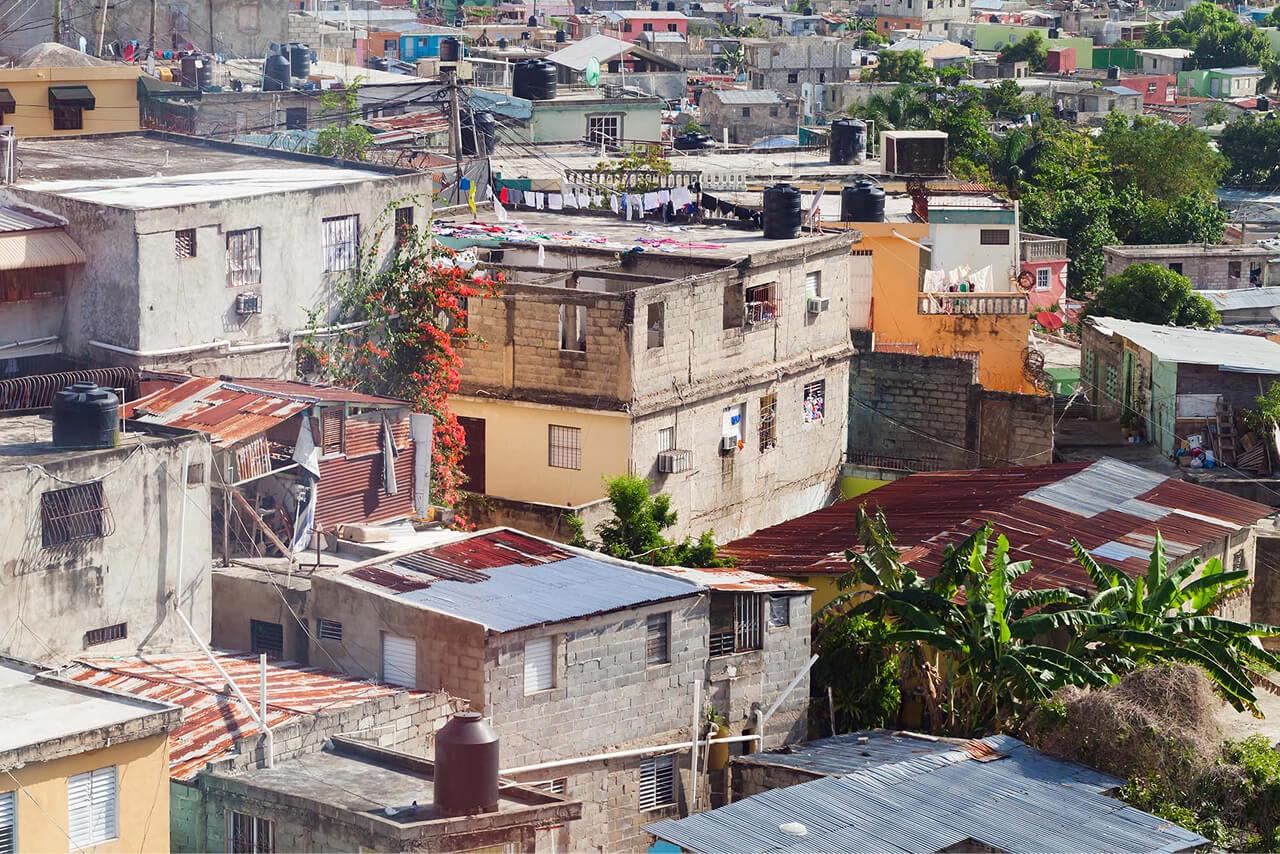
Of the Brazilian capitals evaluated, only 4 identified the groups most vulnerable to climate change
Properly identifying the groups and understanding their needs is essential to create policies that reduce the impacts of climate change in an inclusive and fair way. Governments need to map environmental risks, cross-reference them with social and economic data, consider factors of social exclusion, and assess the adaptive capacity of populations, especially those dependent on climate-sensitive activities.
Most states are unaware of the risks of climate change in their territory
Without knowing the climate risks, actions become reactive and disorganized, making it harder to use resources efficiently and set priorities. To address climate risks, governments need to map current and future vulnerabilities and threats, identify the most exposed areas and sectors, understand their weaknesses, and plan effective actions.
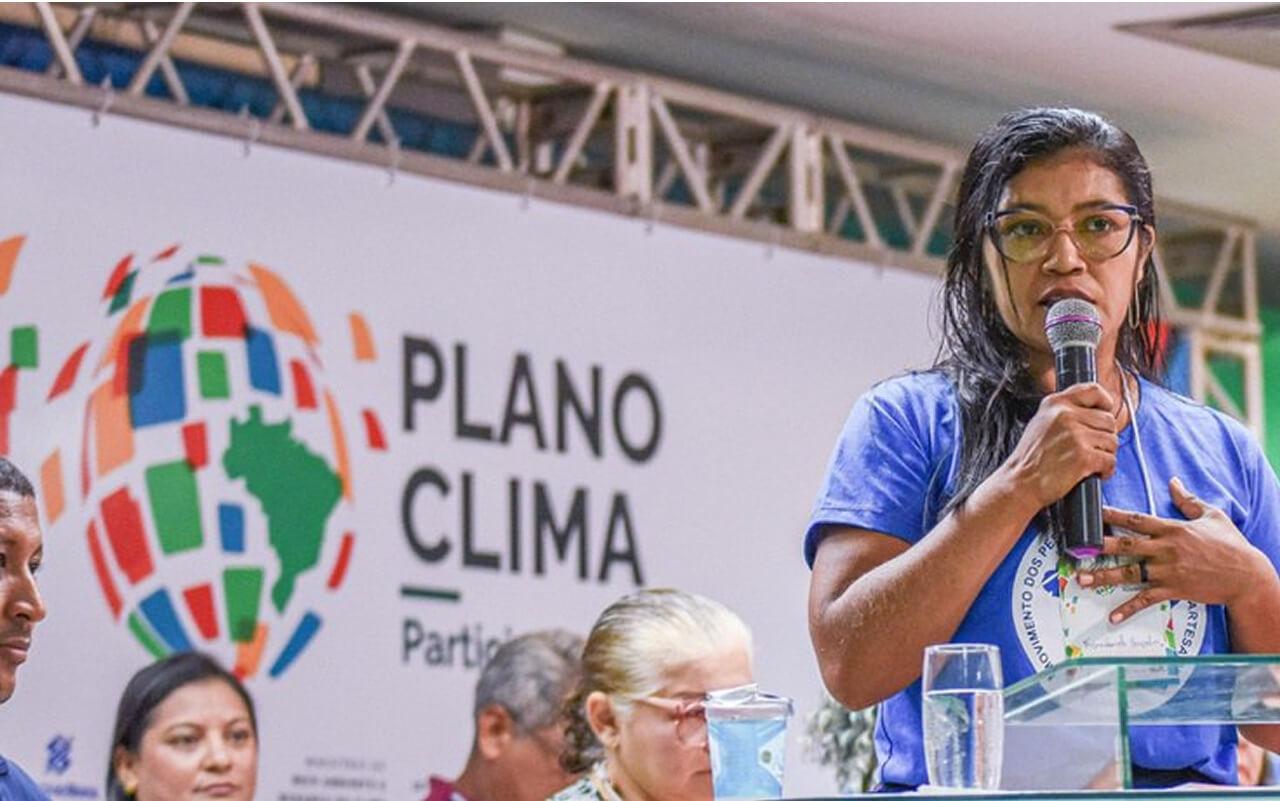
High participation: almost all states and capitals have ways to involve citizens, scientists, and businesspeople in the discussion of climate policies
Involving different people and groups improves the management of climate policies by bringing more ideas, experiences, transparency, and collaboration to make actions more effective. But there is still room for improvement: governments must ensure broad representation of stakeholders and their participation in the implementation and monitoring of actions (not just in planning), and effectively incorporate contributions.

Most state governments collaborate with each other, participating in networks to tackle climate change. However, capitals face more difficulties
Extreme climate events affect multiple regions at the same time, requiring states and municipalities to work together. Coordination between governments enables more efficient actions, exchange of experiences, and access to resources. To strengthen cooperation, governments should join collaborative networks, appoint their representatives, actively participate in meetings, and ensure that these representatives share the knowledge gained within their institutions.
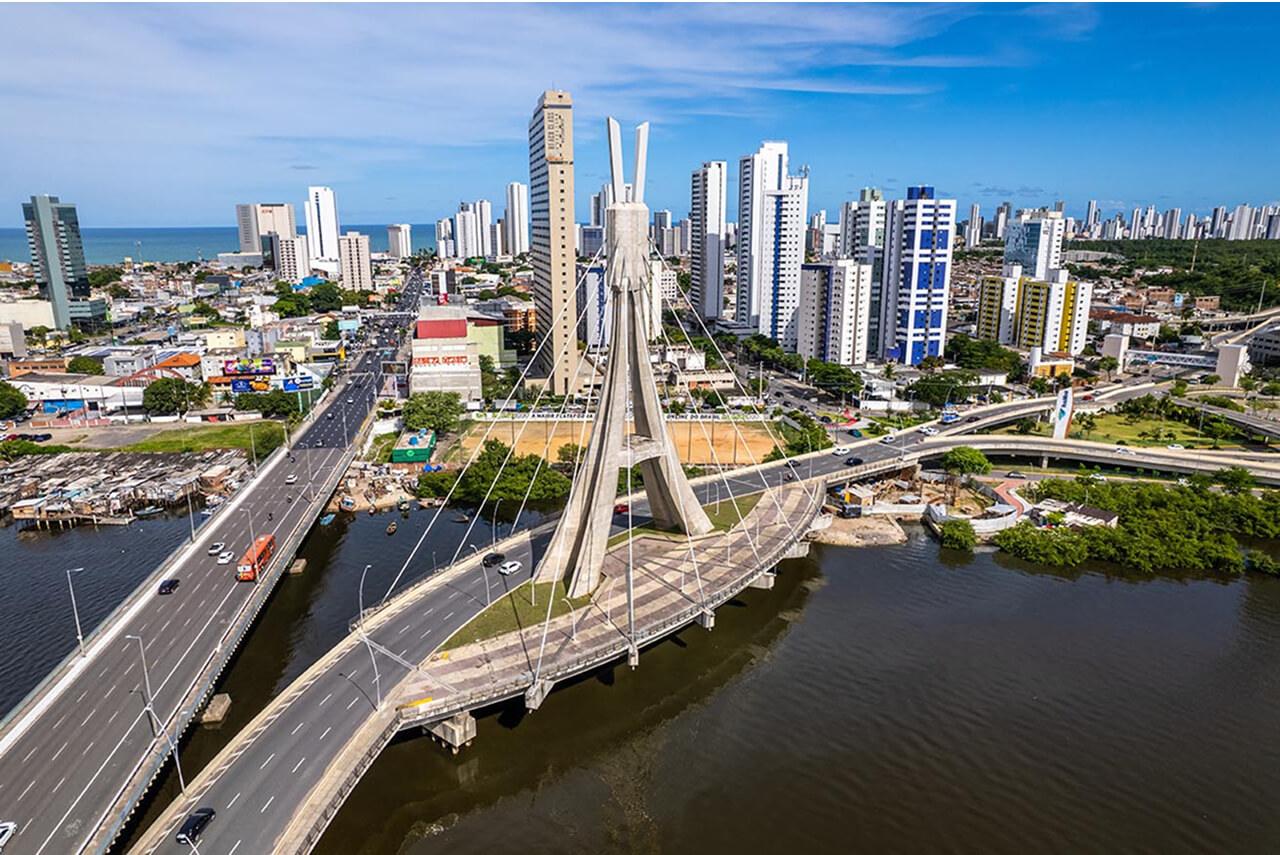
17 Brazilian capitals are not preparing to recover from disasters caused by climate change
When a disaster occurs, such as floods or droughts, cities need to act quickly and correctly. If a disaster happens, it’s not enough to rebuild — it’s necessary to rebuild better than before. Governments must plan with a forward-looking approach, including climate scenarios and updated risk mapping. It is essential to create dedicated funds for resilient reconstruction, integrate urban planning with post-disaster recovery, and prioritize sustainable solutions. It is also important to go beyond emergency response, focusing on adaptive and long-term reconstruction.
States and capitals do not know how much they spend to tackle climate change
Without monitoring, governments cannot know if they are truly investing in solving the most critical climate issues, nor can they plan future spending effectively. Reducing fossil fuel subsidies is also crucial for addressing climate change because it reorients government spending away from polluting energy sources and toward clean alternatives. Governments should establish standards to identify and monitor government spending that supports or hinders efforts to achieve climate goals.
24 states have plans to reduce greenhouse gases, but only 7 have set concrete targets
Without targets, the government doesn’t know where it wants to go, how much it will contribute to the country’s climate goals, or how it will help reduce global warming. State governments need to have updated plans based on reliable data, that include the sectors that emit the most gases and have clear reduction targets aligned with Brazil’s commitments.
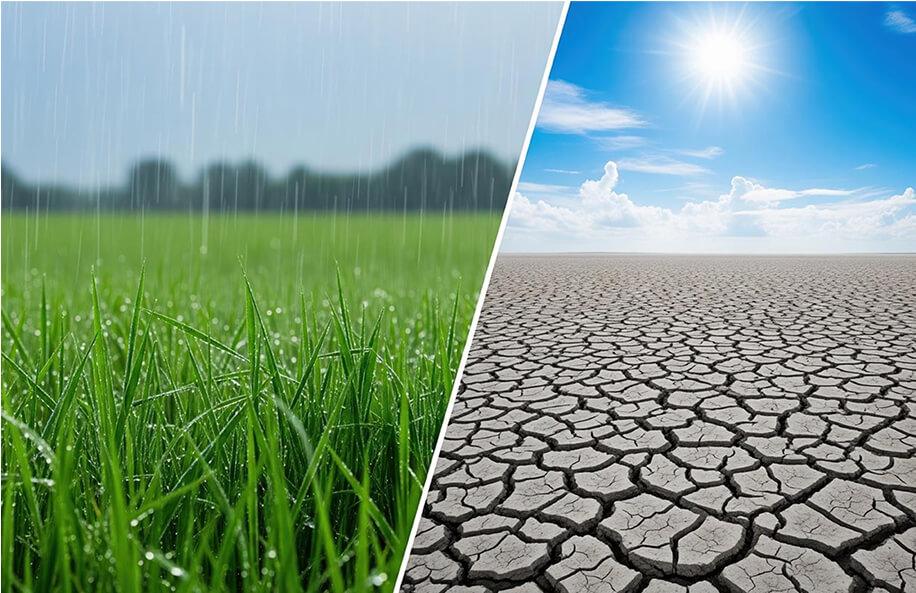
Inequality in climate adaptation: advanced planning in capitals of the Southeast and Northeast, while the North and Midwest lack plans
The financial and human costs of climate change and extreme weather events are becoming more severe and frequent, making it essential for governments to have a clear understanding of risks and priorities to take action. Governments must understand the risks to better prepare for a changing climate. Risks should be accompanied by plans with clear actions and indicators to monitor progress.
Half of the evaluated capitals have difficulty participating in state and federal climate programs
Resources are limited, and climate actions require high and long-term investments, often beyond the capacity of municipalities. That’s why it’s essential to seize opportunities to diversify funding sources. Governments need to identify their needs, map existing support sources, ensure technical capacity to design and implement projects, and actively participate in the programs.

States encourage private investment in climate initiatives, but only 4 actually mobilize resources
Resources are limited, and climate actions require high and long-term investments. That’s why it’s essential to involve businesses and citizens in the climate effort. Governments must actively work to align private interests with climate needs to make project implementation economically viable and efficient. Public-private partnerships, credit lines, and tax exemptions are examples that can expand resource mobilization for a low-carbon economy.
Coordination




Support